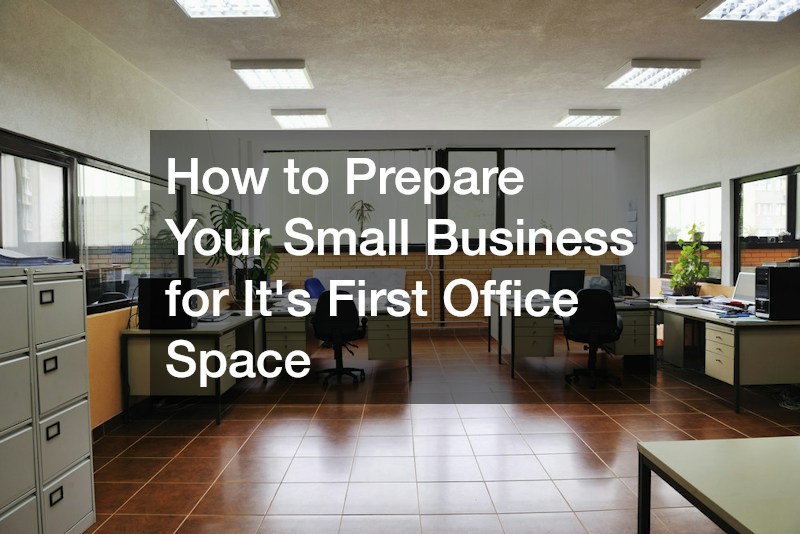
Stepping into your very first commercial office space is one of the most thrilling milestones in an entrepreneur’s journey. It represents a tangible transition from a scrappy startup operating out of a spare bedroom, basement, or shared coworking space into a mature, established enterprise. Having a physical headquarters gives your brand immediate legitimacy, provides a dedicated collaborative environment for your team, and creates a professional setting where you can host prospective clients, partners, and investors.
Without careful preparation, hidden expenses and operational oversights can quickly drain your working capital and divert your focus away from growing your core business. Preparing for your first commercial space requires a structured, multi-phase plan. By systematically evaluating your financial readiness, navigating lease negotiations, executing necessary space buildouts, establishing essential vendor partnerships, and prioritizing workplace safety, you can ensure a seamless transition into a workspace built to support your long-term success.
Assessing Financial Readiness and Navigating Lease Terms

Before you begin touring properties or falling in love with architectural layouts, you must conduct an unvarnished audit of your company’s financial health. The true cost of occupying a commercial office extends far beyond the monthly base rent stated on a real estate listing. You must calculate the Total Cost of Occupancy, which incorporates common area maintenance fees, property taxes, building insurance, utility bills, janitorial services, internet connections, and ongoing facility maintenance.
Understanding commercial lease structures is vital to protecting your bottom line. Commercial leases generally fall into three main categories: Full Service Gross, Modified Gross, and Triple Net (NNN). In a Full Service Gross lease, the landlord covers operating expenses like utilities, taxes, and maintenance within your base rent. In a Triple Net lease, you pay a lower base rent but are directly responsible for your proportionate share of property taxes, insurance, and building maintenance. Misunderstanding these nuances can result in unexpected monthly expenses that strain your cash flow.
It is equally important to plan for initial capital expenditures before your doors ever open. Security deposits, space buildout costs, IT infrastructure wiring, furniture purchases, and moving fees require significant upfront cash. Establish a dedicated move-in reserve fund equal to three to six months of operating expenses to cushion against unexpected project delays or hidden startup costs.
Never attempt to navigate a commercial real estate contract alone. Lease agreements are heavily drafted to protect the property owner’s interests. Retaining an experienced local lawyer who specializes in commercial real estate ensures that your contract includes protective clauses, such as favorable tenant improvement allowances, clear options to renew, sublease rights if your company outgrows the space early, and reasonable caps on annual operating expense increases.
- Calculate Total Cost of Occupancy: Budget for base rent, maintenance fees, taxes, utilities, insurance, and routine repairs rather than relying solely on advertised base rental rates.
- Review lease structures carefully: Distinguish between Full Service Gross, Triple Net, and Modified Gross agreements to understand your exact monthly financial liabilities.
Managing Physical Space Modifications and Exterior Branding
Once your lease is signed, your attention shifts to transforming a bare commercial shell into a functional, branded workplace. The layout of your physical office directly impacts your team’s daily productivity, communication, and overall workplace culture. Modern office design requires a thoughtful balance between open, collaborative team areas and quiet, private spaces dedicated to focused deep work and confidential phone calls.
Begin space planning by mapping out how work flows through your organization. Position collaborative departments together while placing high-traffic areas, like breakrooms and copy stations, away from focus zones to minimize noise distractions. Ensure your floor plan complies fully with local building codes and the Americans with Disabilities Act (ADA), leaving wide pathways and accessible entryways for all employees and visitors.
If your new space requires structural changes—such as removing outdated partitions, opening up cramped drywall, or clearing out old built-in cabinetry—bring in certified local demolition contractors to perform the tear-down work safely. Attempting DIY demolition in a commercial building can accidentally damage structural supports, disrupt fire sprinkler lines, or violate commercial insurance policies.
After interior layout modifications are complete, focus on establishing your physical brand presence. Your exterior building presence is often the very first impression a visiting client has of your business. Coordinate closely with your landlord and municipal zoning boards to determine what exterior signage is permitted on the building facade, window glass, and lobby directory boards.
Invest in professionally designed commercial and business signs that reflect your brand’s visual identity. High-visibility dimensional logos, brushed metal lobby signs, and clean window vinyl communicate stability and professionalism, making it effortless for clients, job applicants, and delivery couriers to locate your office.
- Design balanced functional zones: Create a hybrid layout featuring collaborative work tables, private meeting rooms, and quiet phone booths.
- Hire certified structural specialists: Engage professional contractors to handle interior wall removals, ceiling modifications, and heavy disposal tasks safely.
Optimizing Indoor Climate and Facility Environmental Controls
A comfortable, well-ventilated indoor environment is essential for maintaining employee health, focus, and overall job satisfaction. Temperature complaints are among the most common issues in commercial workplaces, and poor climate control can lead to fatigue, reduced productivity, and increased sick leave. Prioritizing environmental controls before your team moves in ensures your facility remains comfortable year-round.
Before taking possession of the space, insist on a comprehensive HVAC audit. Commercial heating and cooling systems are complex, heavy-duty mechanical installations that carry substantial repair and replacement costs. Determine whether the lease holds the landlord or the tenant responsible for HVAC maintenance, and ensure the existing equipment undergoes a professional inspection to verify structural integrity and operating efficiency.
Scheduling a complete air conditioning service tune-up before move-in day guarantees that cooling units are running efficiently, coils are clean, refrigerant levels are topped off, and air filters are fresh. This proactive step prevents sudden summertime system failures that could disrupt your business operations and damage sensitive server hardware.
Installing smart, programmable commercial thermostats allows you to automate temperature schedules based on your actual business hours. Automatically reducing heating or cooling during nights and weekends significantly lowers utility bills without sacrificing daytime workspace comfort.
Furthermore, pay close attention to air filtration and server room climate controls. If your business houses physical servers, network switches, or heavy digital hardware, ensure those dedicated rooms feature specialized cooling units and clean filtration to prevent electronic overheating and costly hardware failures.
- Audit HVAC systems before move-in: Verify system age, operating efficiency, and contractual maintenance responsibilities prior to occupying the space.
- Execute pre-occupancy system maintenance: Schedule comprehensive servicing for cooling and heating units to ensure clean air filters and optimal airflow.
Establishing Essential Facility Operations and Sanitation Systems
Operating a commercial office requires setting up an array of routine facility services that home-based businesses never have to consider. From daily waste disposal to deep sanitation, establishing reliable operational workflows ensures your workspace stays organized, hygienic, and professional day in and day out.
Waste management is a critical service that must be arranged well before move-in day. Commercial office buildings generate substantial amounts of paper waste, packaging materials, and general refuse. Contact local utility providers to set up commercial service accounts, ensuring you secure a dedicated local trash pickup schedule that matches your office volume and recycling goals.
Maintaining a spotless workspace is equally vital for employee health and client impressions. A dusty, cluttered office with unkept restrooms undermines your brand’s credibility. Contracting with a professional business cleaning provider ensures that carpets are vacuumed, hard floors are disinfected, trash cans are emptied, and restrooms and kitchens are thoroughly sanitized on a regular schedule.
In addition to external vendor contracts, establish clear internal office policies for shared spaces. Create simple kitchen guidelines regarding food storage in refrigerators, dishware cleanup, and trash disposal to prevent pest issues and maintain a respectful team culture.
Set up routine internal maintenance logs for basic facility upkeep. Assigning clear responsibility for changing light bulbs, restocking restroom supplies, checking plumbing fixtures, and monitoring inventory ensures minor building issues are resolved before they turn into disruptive problems.
- Establish commercial waste services: Set up regular waste removal and recycling schedules tailored to your office’s operational volume.
- Contract professional janitorial services: Partner with commercial cleaners for daily or weekly sanitization, floor care, and restroom stocking.
Implementing Workplace Safety, Life Safety, and Winter Site Maintenance
As a business owner occupying a commercial building, you carry a legal and ethical responsibility to provide a safe working environment for your employees, contractors, and visiting clients. Workplace safety involves far more than basic insurance coverage; it requires establishing comprehensive life safety infrastructure and preparing for seasonal weather hazards.
Start by auditing your building’s compliance with local fire codes and occupational safety regulations. Every commercial office must be equipped with operational smoke detectors, commercial fire extinguishers, illuminated emergency exit signs, and clearly marked evacuation routes. Work closely with a licensed life safety provider to install and maintain compliant business fire protection systems, including automatic fire sprinklers, pull stations, and annual alarm inspections required by municipal fire marshals.
Develop a formal emergency action plan that outlines specific protocols for fires, medical emergencies, severe weather events, and power outages. Conduct brief safety walkthroughs with new employees during orientation so everyone knows the location of first-aid kits, automated external defibrillators (AEDs), and emergency building exits.
If your office is located in a region prone to cold weather, exterior winter site maintenance is a major operational priority. Snow accumulation, black ice, and freezing rain create severe slip-and-fall hazards for staff and visitors, exposing your company to significant liability claims.
Secure seasonal service contracts well in advance of cold weather, arranging dedicated snow removal for parking lots, driving lanes, and loading docks. Partnering with a reliable commercial business snow removal team ensures that parking areas, entrance ramps, and pedestrian walkways are plowed, salted, and cleared before your employees and clients arrive each morning.
- Install certified fire safety hardware: Equip your office with compliant fire extinguishers, smoke alarms, emergency lighting, and exit signage.
- Schedule mandatory annual inspections: Work with certified technicians to audit fire sprinkler systems, alarm panels, and safety equipment annually.
Equipping Your Workspace with Modern Technology and Security
In today’s fast-paced business environment, your physical office is only as good as the technology that powers it. A modern office space requires robust, secure, and redundant digital infrastructure to keep your team connected and your company data protected.
High-speed internet is the lifeblood of modern business operations. Do not rely on residential-grade internet connections or basic Wi-Fi routers for a commercial workspace. Order dedicated commercial fiber-optic internet service well ahead of your move-in date, as installing commercial lines can take several weeks or months depending on building infrastructure. Consider setting up a secondary, redundant cellular or cable internet backup to ensure continuous uptime if your primary provider suffers an outage.
When planning your IT infrastructure, map out network cabling, server rack locations, and wireless access points carefully. Hardwire critical desktop workstations, network printers, and conference room systems directly via Ethernet cables to free up Wi-Fi bandwidth for mobile devices and guest access.
Security is another essential component of modern office technology. Upgrade traditional metal door locks to cutting edge digital access control systems, such as keycards, fob readers, or mobile smartphone entry apps. Digital access control allows you to grant specific entry permissions to staff, track after-hours access, and instantly revoke entry access when an employee leaves the company.
Finally, outfit your primary conference rooms with high-definition video conferencing hardware, smart whiteboards, wireless screen-sharing devices, and acoustic dampening panels. Equipping your meeting rooms with professional audio-visual technology ensures seamless collaboration between your in-office team, remote employees, and prospective clients across the globe.
- Install commercial-grade internet infrastructure: Deploy dedicated fiber-optic internet with a secondary backup connection to eliminate downtime.
- Hardwire critical office technology: Route Ethernet cabling to fixed workstations, server racks, and video conferencing systems for maximum stability.
Building a Workplace for Long-Term Growth
Moving your small business into its first commercial office space is a transformative journey that marks the beginning of an exciting new chapter. It is a powerful validation of your vision, hard work, and business growth. While the preparation process requires significant time, financial investment, and attention to detail, the reward is a professional environment that elevates your brand and energizes your team.
By taking a systematic approach—securing strong legal guidance, planning functional floor layouts, investing in climate control and IT infrastructure, and partnering with reliable facility vendors—you protect your business from costly surprises. A well-prepared office space does more than just house desks and computers; it serves as a dynamic hub where your company culture can flourish, top talent can thrive, and lasting client relationships can be built.
As you step through the doors of your new headquarters on day one, take a moment to appreciate how far your business has come. With a solid facility foundation beneath you and clear operational systems in place, your business is perfectly positioned to reach even greater heights in the years ahead.