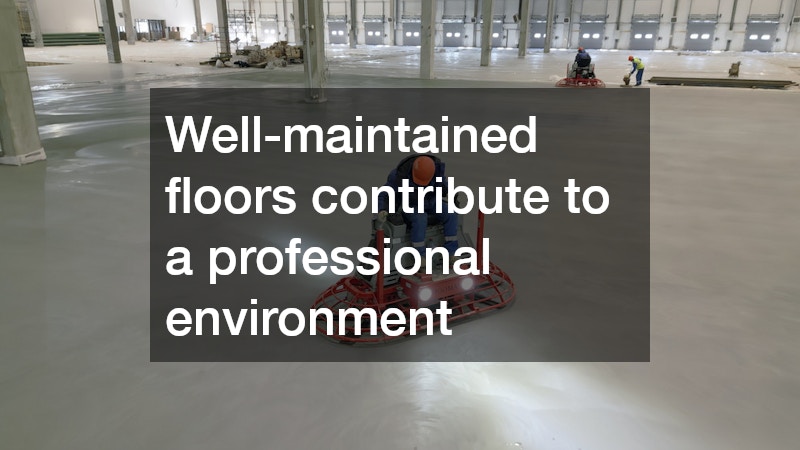
Facility flooring is a significant investment that directly impacts safety, appearance, and operational efficiency. Whether in a commercial, industrial, or office setting, well-maintained floors contribute to a professional environment while minimizing long-term costs. Without proper care, even high-quality materials can deteriorate quickly under daily wear and tear. By implementing consistent maintenance routines, preventative measures, and regular inspections, facility managers can extend the lifespan of their flooring and delay costly replacements.
Best Maintenance Practices for Different Types of Flooring
Best Practices for Hardwood Floors
Hardwood flooring offers a timeless appearance but requires careful maintenance to preserve its durability. Regular sweeping or vacuuming is essential to remove dirt and debris that can scratch the surface.
Using a damp (not wet) mop with a manufacturer-approved cleaner helps maintain the finish without causing moisture damage.
It’s important to control indoor humidity levels, as excessive moisture can lead to warping, while overly dry conditions may cause cracking. Protective pads under furniture and prompt cleanup of spills also help prevent long-term damage. Periodic refinishing may be necessary in high-traffic areas to restore the wood’s protective layer and maintain its appearance.
Effective Maintenance of Carpeted Floors
Carpeted flooring requires a different approach, focusing heavily on cleanliness and stain prevention. Frequent vacuuming (ideally several times per week in high-traffic areas) removes dirt particles that can become embedded in fibers and accelerate wear.
Deep cleaning through hot water extraction or steam cleaning should be scheduled periodically to remove accumulated grime and allergens. Addressing spills immediately is critical to prevent permanent staining. Additionally, rotating furniture occasionally can help distribute wear more evenly across the carpet surface.
Using entry mats to reduce the amount of dirt tracked onto carpets can significantly extend their lifespan, especially in busy facilities.
Caring for Tile and Stone Surfaces
Tile and natural stone flooring are known for their durability, but they still require proper care to maintain their integrity. Routine sweeping and mopping prevent abrasive debris from dulling the surface. For stone flooring, using pH-neutral cleaners is essential to avoid chemical damage.
Grout lines are particularly vulnerable to staining and moisture infiltration. Regular sealing of grout helps maintain its appearance and prevents deterioration. In high-moisture environments, ensuring proper ventilation can reduce the risk of mold and mildew growth.
Polishing and resealing stone surfaces periodically can restore their finish and enhance resistance to wear. With consistent care, tile and stone flooring can remain functional and visually appealing for many years.
Protective Measures
Use of Floor Mats and Rugs
Floor mats and rugs serve as the first line of defense against dirt, moisture, and debris entering a facility. Placing mats at entrances and high-traffic zones helps capture contaminants before they reach the main flooring surfaces.
In areas prone to spills or heavy use, such as break rooms or production zones, strategically placed rugs can absorb impact and reduce surface wear. Regular cleaning and replacement of mats are necessary to ensure they remain effective.
Proper Furniture Use and Placement
Furniture can cause significant damage to flooring if not properly managed. Heavy items should be equipped with protective pads or glides to prevent scratches and dents. For office environments, using chairs with appropriate casters designed for specific flooring types can reduce stress on the surface.
Rearranging furniture periodically can help distribute weight and prevent uneven wear patterns. In industrial settings, ensuring that equipment is properly supported and does not drag across the floor is critical for maintaining surface integrity.
Installation of Protective Coatings
Applying protective coatings is one of the most effective ways to extend the lifespan of facility flooring. Sealants, finishes, and specialized coatings create a barrier that protects against moisture, chemicals, and abrasion.
In high-demand environments, working with industrial epoxy flooring companies can provide advanced coating solutions designed to withstand heavy machinery, foot traffic, and chemical exposure. These coatings not only enhance durability but also improve safety by offering slip-resistant surfaces. Protective coatings should be selected based on the facility’s specific demands, ensuring compatibility with the underlying flooring material and operational requirements.
How Often to Conduct Flooring Inspection and Repairs
Scheduling Routine Inspections
Routine inspections are essential for identifying early signs of wear and damage. Facility managers should establish a regular inspection schedule—monthly for high-traffic areas and quarterly for lower-use spaces.
During inspections, look for issues such as cracks, discoloration, loose tiles, worn carpet fibers, or damaged finishes. Early detection allows for timely intervention, preventing minor problems from escalating into major repairs.
Identifying and Addressing Minor Repairs
Small issues, if left unaddressed, can quickly lead to more extensive damage. Repairing minor cracks, replacing damaged tiles, or patching worn carpet sections can significantly extend the flooring’s overall lifespan.
For hardwood floors, addressing scratches or worn finishes early can prevent more serious structural damage. In carpeted areas, replacing sections with heavy wear can maintain a consistent appearance and functionality. Having a proactive repair strategy in place ensures that maintenance remains manageable and cost-effective.
Extending the lifespan of your facility’s flooring requires a strategic approach that combines consistent maintenance, preventative measures, and regular inspections. By tailoring care practices to specific flooring types, implementing protective solutions, and addressing issues early, facility managers can significantly reduce wear and prolong usability. Investing in proper flooring care not only preserves the visual appeal of your space but also maximizes long-term value, ensuring that your flooring continues to perform effectively for years to come.